
Ammonia (NH₃) removal from air.

Introduction Ammonia (NH₃) is a colourless, low molecular weight gas with the chemical formula NH₃ (See figure 1). It has a pungent smell, often associated with strong household cleaners. Ammonia (NH₃) is lighter than air but can be easily condensed to a liquid due to strong hydrogen bonding between the ammonia molecules (hydrogen bonding is…
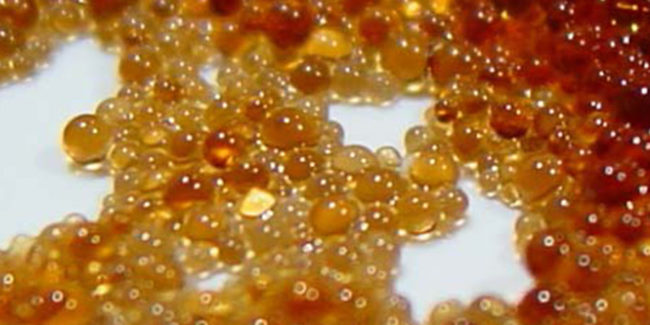
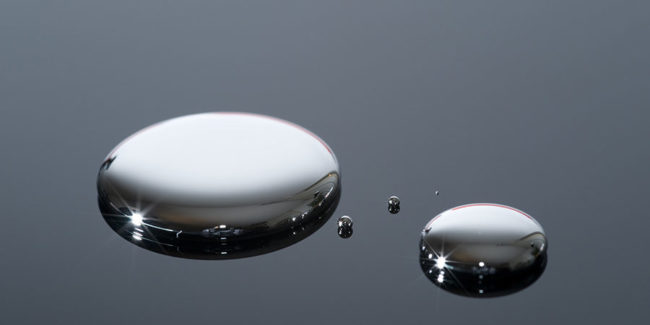
Mercury (Hg⁰ and Hg²⁺) removal from water.

Introduction Mercury species exists in various forms: elemental (or metallic); inorganic (e.g. mercuric chloride); and organic mercury (e.g., methyl- and ethylmercury), which all have different toxic effects. Mercury poisoning can result from exposure to water-soluble forms of mercury (such as mercuric chloride or methylmercury), inhalation of mercury vapour, or by ingesting any form of mercury.…

Arsine (AsH₃) removal from air.

Introduction Arsine (AsH₃) is an extremely toxic gas that is generated upon exposure of arsenic-containing ores to acids. It is also a by-product of refining of non-ferrous metals. Arsine is used extensively in the manufacture of microchips, solid-state lasers and for the synthesis of organoarsenic compounds. Arsine (AsH₃) is a colourless, flammable, non-irritating toxic gas…

Phosphine (PH₃) removal from air.

Introduction Phosphine is the compound with the chemical formula PH₃. Phosphine (PH₃) is used as an intermediate in organophosphorus chemistry and as a dopant in the semiconductor industry. Phosphine (PH₃) is alsowidely used as a fumigant (for example, in the tobacco industry) that does not leave residues on the stored product, and for pest control.…